Six Models Evaluated in a Large Cohort
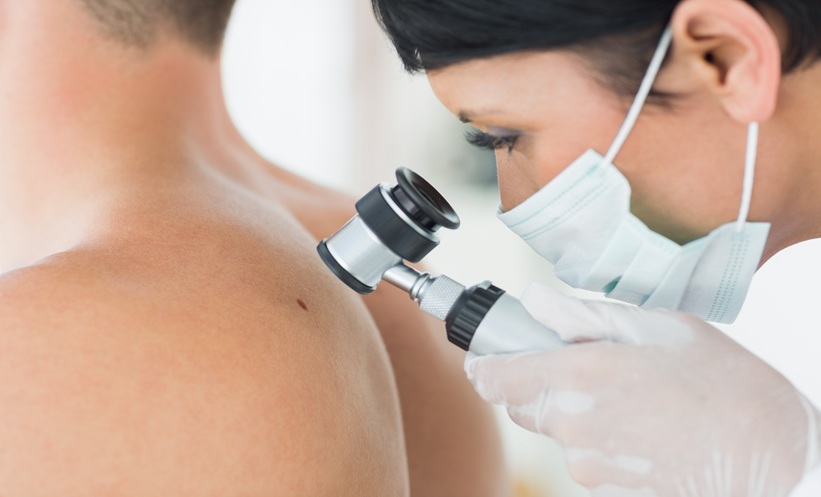
SIX melanoma risk prediction models demonstrated moderate ability to distinguish individuals who developed melanoma from those who did not, although most underestimated the number of melanoma cases in an Australian cohort. The findings highlight the importance of independent validation when assessing the potential use of risk models in prevention and early detection strategies.
The population-based cohort study used data from the Sax Institute’s 45 and Up Study, which recruited adults aged 45 years and older in New South Wales, Australia. Researchers assessed participants who completed a 2020 follow-up survey, with cancer registry linkage providing melanoma diagnoses through December 2019. The analysis included up to 43,235 participants, with a median age of 57 years. During follow-up, 946 invasive and 1,406 in situ melanomas were identified.
The investigators assessed the discrimination and calibration of six published models for predicting 10-year risk of a first primary melanoma. Discrimination was measured using the area under the receiver operating characteristic curve (AUC), while calibration assessed how closely predicted risks aligned with observed outcomes.
Predictive Accuracy and Calibration Varied
Across the six models, AUC values ranged from 0.58 (95% confidence interval [CI]: 0.56–0.60) to 0.70 (95% CI: 0.68–0.72). These results indicated variable, generally moderate discrimination between individuals who developed melanoma and those who did not.
Calibration also varied between models. Most underestimated the number of melanomas diagnosed in the cohort, suggesting that predicted absolute risks did not consistently reflect observed incidence. The two best-calibrated models had calibration-in-the-large values of −0.16 and 0.59, with calibration slopes of 0.74 and 0.72, respectively.
Implications for Prevention and Early Detection
The findings support the potential use of several melanoma risk prediction models for population risk stratification. However, their performance in an independent cohort indicates that further adjustment may be needed before predicted absolute risks can be applied reliably in different populations.
The study’s findings were based on an Australian cohort of adults aged 45 years and older, which may limit generalisability to other populations. Recalibration could improve the alignment between predicted and observed melanoma risk, potentially supporting more appropriate prevention and early detection strategies. Further evaluation would help establish how these models perform across different settings and populations.
Reference
Reyes-Marcelino G et al. Evaluating the performance of melanoma risk prediction models. JAMA Dermatol. 2026;DOI:10.1001/jamadermatol.2026.4097.