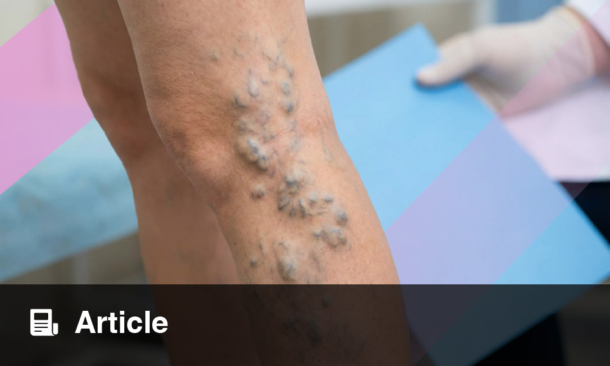
SKIN toxic effects during first-line treatment with enfortumab vedotin plus pembrolizumab (EVP) were associated with longer overall survival among patients with locally advanced or metastatic urothelial carcinoma, according to a retrospective cohort study. The findings suggest that treatment-emergent rash or pruritus may provide an early clinical marker of treatment outcomes, although prospective validation is needed.
The single-centre study included 185 adults who received first-line EVP at a cancer centre between March 2022 and July 2025. Patients had a median age of 73 years, and 75.7% were male. Skin toxic effects were identified through medical records and defined as treatment-emergent rash or pruritus.
Skin toxic effects occurred in 98 patients (53.0%), at a median of 14 days after treatment initiation. Severe skin toxic effects, classified as grade 3 or higher, occurred in 10 patients (5.4%). These effects led to enfortumab vedotin dose reduction in 31 patients (16.8%), treatment interruption in 20 (10.8%), and treatment discontinuation in nine (4.9%).
Association with Overall Survival
After a median follow-up of 17.7 months, patients who developed skin toxic effects had longer overall and progression-free survival in unadjusted analyses. In time-dependent Cox proportional hazards regression, skin toxic effects were associated with longer overall survival (hazard ratio: 0.34; 95% confidence interval [CI]: 0.20–0.57).
The association remained consistent across sequential adjustment models and prespecified 30-day landmark analyses. These methods were used to address potential immortal-time bias, which can arise when patients must remain alive long enough to experience a treatment-related event. In landmark analyses, associations with progression-free survival and objective response rate remained directionally favourable but were attenuated after multivariable adjustment.
Implications for Clinical Practice
The findings indicate an association between treatment-emergent skin toxic effects and longer overall survival, but do not establish that skin reactions cause improved outcomes or independently predict treatment response. The retrospective design and single-centre setting also limit the generalisability of the results.
Skin toxic effects may warrant further investigation as an early marker of treatment benefit during EVP therapy. However, clinicians should continue to assess and manage these adverse effects appropriately rather than interpret their presence as evidence that treatment is working. Prospective studies are needed to validate the association and investigate the biological mechanisms involved.
Reference
Thomas Z et al. Skin toxic effects and survival with enfortumab vedotin–pembrolizumab in advanced urothelial carcinoma. JAMA Netw Open. 2026;9;(10):e2639517.