A family-based telehealth intervention improved sun-protective behaviours among children of melanoma survivors but did not reduce sunburn over time in a randomised clinical trial. Children of melanoma survivors have a two-fold increased lifetime risk of melanoma, yet consistent sun protection remains challenging.
The trial included 364 parent-child dyads recruited through a cancer registry and statewide and clinical databases. Eligible survivors had a confirmed melanoma diagnosis and at least one child aged 8-17 years who had experienced at least one sunburn during the previous year. Participants were randomised to the family, lifestyles, actions, and risk education (FLARE) intervention or an active educational control between April 2020 and October 2023.
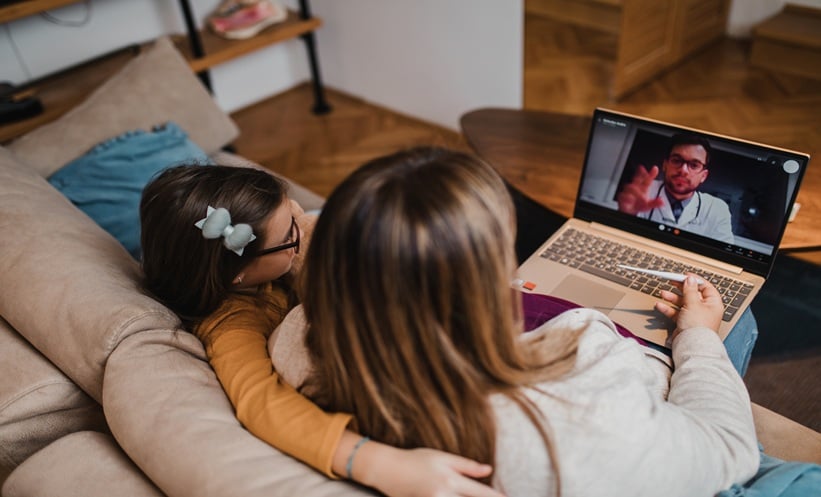
Both groups completed telehealth education modules over four weeks. FLARE combined education about familial melanoma risk with skills-based strategies targeting child sun protection, while the control provided general education about identifying reputable health information.
Sun Protection Behaviours Improved
The primary analysis found no significant difference between groups in the rate of change in child sunburn over time. However, child-reported sunburn was lower in the FLARE group at the first postintervention assessment (B=−0.17; 95% CI: −0.30 to −0.04; p=0.01).
FLARE was also associated with a sustained improvement in sun-protective behaviours. From baseline through the second postintervention assessment, participants receiving the intervention demonstrated greater increases in protective behaviours than those in the control group (B=0.26; 95% CI: 0.14–0.38; p<0.001).
No significant differences were observed between groups for intentional or unintentional tanning, although these behaviours were infrequently reported at baseline.
Sustained Sunburn Reduction Not Achieved
The findings indicate that improving sun-protective behaviours may not be sufficient on its own to produce sustained reductions in sunburn among children at elevated melanoma risk.
Although FLARE was associated with fewer child-reported sunburns immediately after the intervention and improved protective behaviours over follow-up, the primary outcome was not achieved. The researchers concluded that additional strategies may therefore be required to achieve lasting reductions in sunburn among children of melanoma survivors.
Reference
Wu YP et al. Melanoma prevention among children of melanoma survivors: a randomized clinical trial. JAMA Dermatol. 2026;DOI:10.1001/jamadermatol.2026.3877.
Featured image: hedgehog94