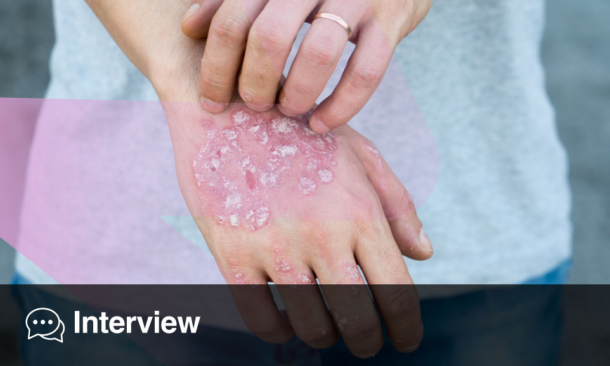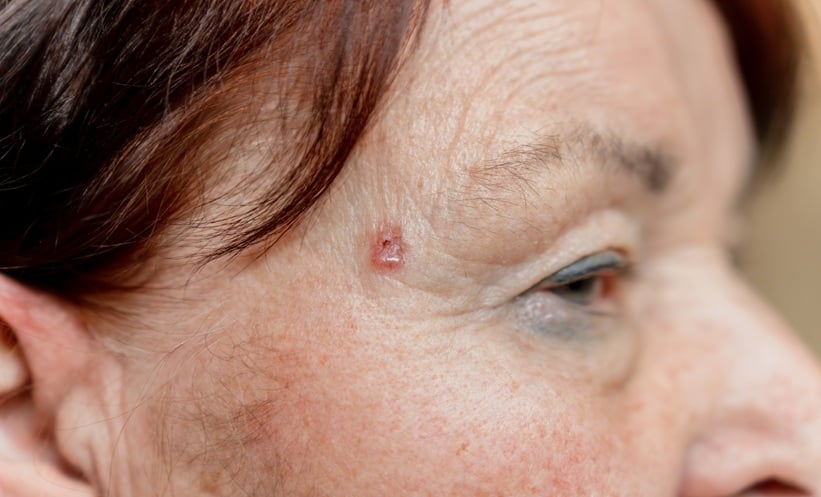
Patients with basal cell nevus syndrome (BCNS) experience substantially greater quality-of-life (QoL) impairment than patients with high-frequency basal cell carcinoma (HF-BCC), according to a new questionnaire study. The findings highlight the considerable emotional and functional burden associated with recurrent basal cell carcinomas (BCCs), particularly among individuals with very high tumour counts.
Researchers in the Netherlands evaluated QoL in 75 patients with BCNS and 59 patients with HF-BCC using the validated Skindex-29 questionnaire. HF-BCC was defined as having at least nine BCCs within 3 years or six within 10 years. Patients with BCNS were generally younger than those with HF-BCC (median age 48 versus 74 years), and nearly half of the BCNS cohort had experienced more than 100 BCCs.
BCNS Associated with Greater Psychosocial Burden
The study found that patients with BCNS reported markedly worse QoL outcomes, especially in emotional and functional domains. Severe emotional impairment was reported by 36.0% of patients with BCNS, while 22.7% experienced severe functional impairment. After adjusting for age and sex, overall Skindex-29 scores remained significantly higher in the BCNS group, with a mean between-group difference of 10 points.
Importantly, increasing BCC burden was associated with poorer QoL among patients with BCNS. Those with more than 100 BCCs reported substantially worse overall scores than patients with fewer than 30 tumours. This relationship was not observed in the HF-BCC cohort, suggesting that the cumulative disease burden associated with BCNS may have unique psychosocial consequences.
Findings Support More Holistic Dermatology Care
The authors noted that repeated treatments, lifelong surveillance, cosmetic concerns, and uncertainty surrounding future tumour development are likely contributors to the emotional strain experienced by patients with BCNS. They emphasised that clinicians should recognise high BCC burden as a potential marker of psychosocial distress.
The findings support a more holistic approach to care in patients with BCNS, including routine assessment of emotional wellbeing and social functioning during dermatology consultations. The researchers concluded that greater attention to psychosocial support may help improve overall patient outcomes in this population.
Reference
Patsea AALM et al. Health-related quality of life in patients with basal cell nevus syndrome and high-frequency basal cell carcinoma: a questionnaire study. Br J Dermatol. 2026;DOI: 10.1093/bjd/ljag212.
Featured image: KseniaJoyg on Adobe Stock
- Author: