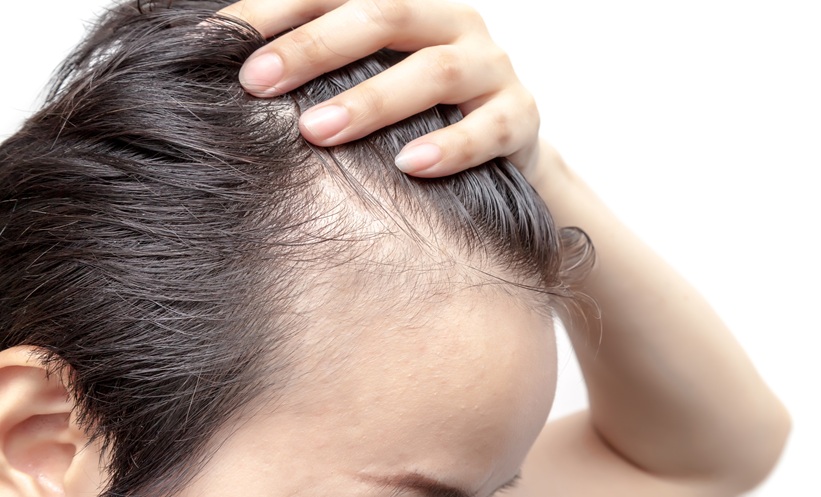
TOPICAL finasteride 0.25% monotherapy was associated with significant improvements in hair density and hair characteristics after 52 weeks in men with androgenetic alopecia (AGA), according to real world data from a retrospective study.
Oral finasteride is an established treatment for male AGA, but concerns about systemic adverse events may affect treatment adherence. Topical finasteride has emerged as an alternative approach intended to provide local treatment while limiting systemic exposure. Researchers therefore evaluated the effectiveness and safety of topical finasteride 0.25% monotherapy over 1 year in a real-world clinical setting.
The retrospective observational study was conducted at the Dermatology Unit of the University of Turin. Researchers reviewed the medical records of 123 adult men with AGA who had received topical finasteride 0.25% monotherapy between April 2022 and November 2025. Patients were assessed at baseline and after 52 weeks using standardised clinical photography and videodermoscopy.
Improvements in Hair Number and Thickness
After 52 weeks of topical finasteride, total hair number increased significantly in both the vertex and temporal regions. Hair density increased by 21.8 hairs/cm² at the vertex (P<0.001) and by 29.4 hairs/cm² in the temporal regions (P<0.001).
Researchers also observed significant improvements in hair shaft thickness and the ratio of terminal to vellus hairs. These findings indicated that the benefits of topical finasteride extended beyond changes in total hair number.
The mean age of participants was 32.4 years. The study used paired intra patient comparisons, allowing changes in hair characteristics to be assessed within individual patients between baseline and the 52-week assessment.
Topical Finasteride Was Well Tolerated
Topical finasteride 0.25% was generally well tolerated during the 52-week treatment period. Mild, transient local irritation was reported by 7.3% of patients, while no systemic adverse events related to sexual function or mood were reported.
The authors concluded that topical finasteride 0.25% monotherapy demonstrated sustained clinical effectiveness and a favourable safety profile after 1 year of treatment in men with AGA. They suggested that the treatment could represent a viable option for patients who were reluctant to use systemic therapy.
The findings provide real world evidence supporting topical finasteride as a potential treatment approach for male AGA, although the retrospective observational design means that the findings reflect treatment outcomes in routine clinical practice rather than a randomised comparison.
Reference
Gallo G et al. Long-term effectiveness and safety of topical finasteride 0.25% monotherapy in male androgenetic alopecia: a 52-week real-world retrospective study. Clin Exp Dermatol. 2026;DOI: 10.1093/ced/llag333.
Featured image: Bongkochrut on Adobe Stock